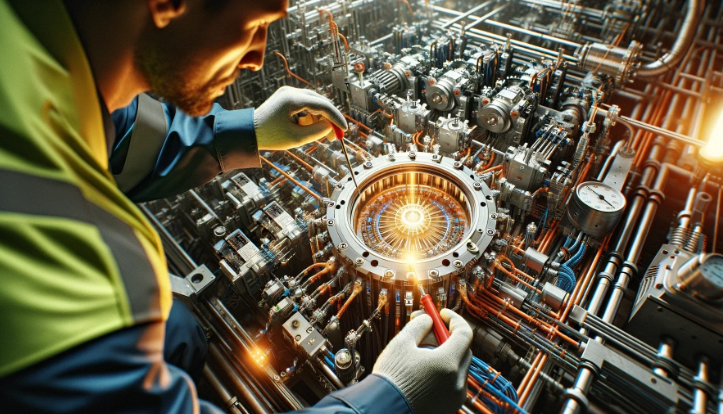
Powering Industrial Growth with Advanced Electrical Solutions

Industrial operations today are increasingly reliant on robust and efficient electrical infrastructure to drive machinery, optimize processes, and reduce operational costs. As industries expand and become more energy-intensive, the need for reliable and high-capacity electrical systems becomes paramount. High-voltage systems are at the core of these advancements, offering enhanced efficiency, stability, and adaptability for modern industrial applications.
Understanding High-Voltage Systems
High-voltage systems refer to electrical setups designed to operate at significantly elevated voltages compared to standard low-voltage equipment. By utilizing high-voltage power transmission, industries can transport electricity over long distances with minimal energy loss, which is particularly important for large-scale manufacturing plants, power generation facilities, and mining operations.
These systems are essential in scenarios where conventional low-voltage motors and equipment cannot deliver the required power efficiently. By operating at higher voltages, high-voltage systems reduce current flow, limit heat generation, and increase the overall efficiency of industrial operations.
Key Features of High-Voltage Systems
Enhanced Efficiency
One of the primary advantages of high-voltage systems is their ability to deliver energy efficiently. By reducing the current needed to transmit power, these systems minimize energy losses, allowing more electricity to be converted into mechanical work or production output. This efficiency directly translates into lower operational costs and improved sustainability.
Reliability and Stability
Industrial processes often require uninterrupted and stable power. High-voltage systems provide consistent voltage levels and steady power delivery, which ensures that critical machinery operates without fluctuations or unexpected downtime. This stability is crucial in industries such as chemical processing, manufacturing, and power generation, where even minor interruptions can lead to substantial losses.
Scalability and Adaptability
High-voltage systems are highly scalable, allowing industries to expand their operations without compromising performance. Whether it is adding new production lines, increasing motor capacities, or integrating automated systems, these systems can accommodate growing energy demands. Their adaptability also makes them suitable for a wide range of industrial applications, from heavy machinery to renewable energy integration.
Industrial Applications
High-voltage systems are used across a variety of industrial sectors, each benefiting from their efficiency, reliability, and scalability.
Power Generation
In power plants, High-voltage systems are essential for transmitting electricity from generators to substations and ultimately to industrial consumers. They ensure minimal energy loss and provide stable power supply to critical equipment. Their ability to handle large loads makes them ideal for thermal, hydroelectric, and nuclear power facilities.
Manufacturing and Production
Modern manufacturing plants rely on high-voltage systems to power heavy machinery, conveyor systems, and automated production lines. By providing consistent and high-capacity energy, these systems enable smooth operations, higher production efficiency, and reduced wear on equipment.
Mining and Resource Processing
Mining operations require significant energy for crushers, grinders, conveyors, and ventilation systems. High-voltage systems deliver the necessary power to drive these heavy-duty machines continuously, supporting uninterrupted production while reducing operational costs.
See also: Transforming Workforce Management for Modern Businesses
Chemical and Petrochemical Industries
Chemical plants and refineries depend on high-voltage systems to power pumps, compressors, and mixers. These systems ensure precise operation and stable energy delivery, which is critical for maintaining process consistency, operational safety, and product quality.
Advantages Over Conventional Electrical Systems
High-voltage systems offer several advantages compared to low-voltage setups:
- Energy Efficiency: By reducing current flow, these systems minimize energy loss, translating into lower electricity costs.
- Reduced Heat Generation: Lower current reduces thermal stress on equipment, enhancing reliability and longevity.
- Stable Power Supply: High-voltage systems provide consistent voltage and minimize fluctuations, ensuring uninterrupted operation.
- Support for Heavy Loads: These systems can handle larger motor capacities and energy-intensive machinery without compromising performance.
- Scalability: High-voltage systems can easily accommodate industrial growth and technological upgrades.
Technological Advancements
Modern high-voltage systems incorporate several technological innovations that improve performance and reliability. Advanced insulation materials, high-efficiency transformers, and low-loss conductors enhance energy transmission while minimizing heat generation. Additionally, sophisticated cooling mechanisms maintain optimal operating temperatures for high-voltage equipment, extending its service life.
Integration with smart monitoring systems is another key innovation. Real-time performance tracking allows operators to detect potential issues early, optimize energy usage, and implement predictive maintenance strategies. These intelligent systems reduce downtime, improve reliability, and increase overall operational efficiency.
Sustainability and Environmental Impact
Industries are increasingly focused on sustainability and reducing their carbon footprint. High-voltage systems contribute to this goal by improving energy efficiency and minimizing energy losses. Reduced electrical waste lowers overall electricity demand and associated greenhouse gas emissions, supporting environmentally responsible practices.
Moreover, the enhanced precision and stability of high-voltage systems reduce wear and tear on connected machinery, extending equipment lifespan and minimizing the need for frequent replacements. This reduces waste and contributes to long-term sustainability in industrial operations.
Future Trends in High-Voltage System Deployment
The future of industrial energy management is closely tied to automation, digitalization, and energy-efficient technologies. High-voltage systems are expected to play a central role in these trends, especially as industries adopt smart factories, automated production lines, and hybrid energy solutions.
Emerging applications, such as renewable energy integration, electric propulsion systems, and energy storage solutions, demand reliable high-voltage infrastructure. Industries that implement advanced high-voltage systems can achieve higher productivity, reduce operational costs, and support sustainable growth.
As technologies evolve, the integration of high-voltage systems with IoT platforms, AI-driven analytics, and predictive maintenance strategies will further optimize industrial operations, ensuring efficiency, reliability, and sustainability.
Conclusion
High-voltage systems are a cornerstone of modern industrial operations, providing efficiency, reliability, and scalability for energy-intensive applications. Their ability to deliver high power with minimal energy loss makes them essential for power generation, manufacturing, mining, and chemical processing sectors.
By leveraging high-voltage systems, industries can achieve lower operational costs, improved reliability, and enhanced productivity. Furthermore, these systems support sustainability initiatives by reducing energy consumption, minimizing equipment wear, and lowering greenhouse gas emissions.
As industries continue to expand and embrace technological advancements, high-voltage systems will remain a critical element of operational success, powering growth and innovation across diverse industrial landscapes.