Timeless Craft: Why Old Clocks Still Matter in Modern Homes?

Time moves forward, but some objects never lose their meaning. Antique clocks are among them. They do more than show the hour. They carry stories of craft, patience, and daily life from another er
a. In homes filled with screens and alerts, these clocks offer something steady and human. They sit quietly, yet they shape the mood of a space.
This article explores why antique clocks still matter, how they fit into modern interiors, and what makes them worth preserving today.
The Enduring Appeal of Antique Table Clocks
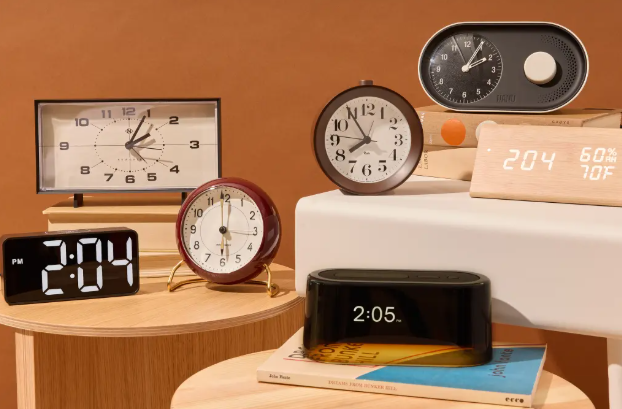
Antique table clocks were designed to live close to people. They rested on desks, mantels, and shelves where they could be seen and heard every day. Their size made them personal objects rather than distant furniture.
Each piece reflects careful handwork. Makers shaped wood cases, engraved brass movements, and painted dials with skill and restraint. These details show intent, not speed. That is why antique table clocks feel warm rather than mechanical.
For example:
A late 1800s mantel clock may have a soft ticking sound and a slightly uneven dial. Those features remind us that a person, not a machine, made it.
Highlighted Line:
True beauty often comes from small imperfections.
Antique Clocks as Living History
Antique clocks were built to last. Many still function after more than a century. Their movements rely on gears, springs, and gravity instead of wires or screens. This makes them reliable and understandable.
Using antique clocks often creates a simple habit. Winding them once a week becomes part of daily life. This small action builds awareness of time rather than distraction from it.
One reason collectors value them is clear:
- They connect modern life with how time was once measured and respected.
Antique clocks do not belong only in museums. They belong in use.
Why Collectors Choose Antique Table Clocks Today
Antique table clocks in modern spaces
Antique table clockswork well in modern interiors because they create balance. Clean furniture and plain walls allow the clock’s form and materials to stand out. The contrast feels calm, not forced.
Designers often place antique table clocks in quiet areas of a room. This gives space for both sound and presence. These clocks add depth without clutter.
Pro Tip:
Place an antique table clock where you can hear it during quiet moments. The sound adds comfort and rhythm.
See also: Bank Account Opening: A Complete Step-by-Step Guide
Care, Value, and Long Life
Caring for antique clocks is simple but important. Keep them dry. Avoid direct heat. Wind them slowly and with care. When service is needed, choose a skilled clockmaker.
Original condition matters. Replacing parts may reduce value and character. Signs of age are not flaws. They are proof of survival.
Highlighted Line:
Age does not weaken value. It defines it.
Conclusion
Antique clocks remind us that time once moved with intention. They bring calm and weight into modern homes filled with noise. Antique table clocks, in particular, offer closeness. They sit nearby, tick steadily, and reward attention.
Choosing an antique clock is not about trend or display. It is about connection. These clocks show that careful work and honest design can last across generations. Their quiet presence proves that some things grow more meaningful with time.