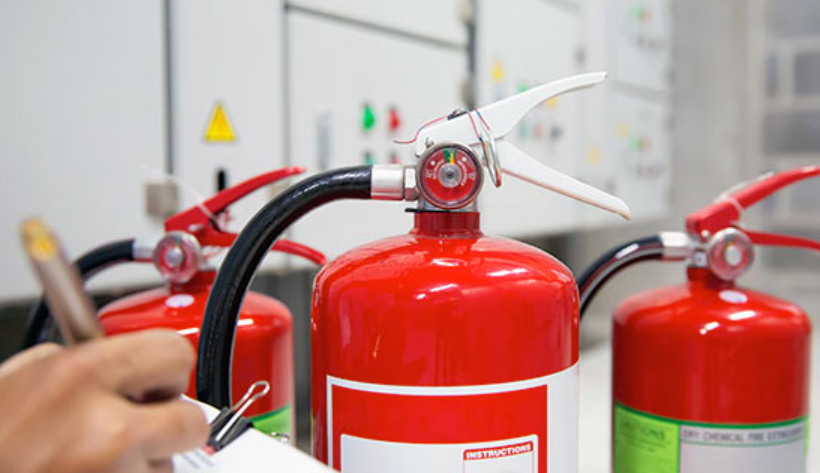
Fire Risk Assessment as a Critical Safety Process

Fire Risk Assessment is a critical safety process designed to identify, evaluate, and control fire-related hazards within a building or workplace. It helps reduce the likelihood of fire incidents and ensures that effective measures are in place to protect lives, property, and operations. A structured fire risk assessment supports long-term fire safety and risk management.
Core Principles of Fire Risk Assessment
The principles of Fire Risk Assessment are based on hazard identification, risk evaluation, and implementation of control measures. This approach ensures that potential fire threats are recognized early and managed through preventive and protective actions. Applying these principles consistently improves overall fire safety performance.
Fire Risk Assessment in Workplace Environments
Workplace environments present specific fire risks due to electrical equipment, machinery, and daily operational activities. Fire Risk Assessment evaluates these risks to ensure safe working conditions. It helps employers identify unsafe practices and apply suitable fire prevention strategies.
See also: Supporting Business Growth Through Reliable Compliance Structures
Identifying Fire Ignition Sources
Fire Risk Assessment focuses on identifying ignition sources that could start a fire. Electrical faults, heating systems, and open flames are carefully examined. Controlling these ignition sources is essential to reducing the chance of fire outbreaks.
Assessment of Combustible and Flammable Materials
Combustible materials play a major role in fire development. Fire Risk Assessment reviews how flammable substances, waste materials, and stored items are managed. Safe storage and handling practices help limit fire growth and spread.
Evaluating Fire Risk Severity
Fire Risk Assessment analyzes the potential severity of a fire by considering factors such as smoke production, heat intensity, and evacuation time. This evaluation helps determine which risks require immediate attention and which can be managed through routine controls.
Protection of Occupants and Visitors
Protecting occupants is the primary goal of Fire Risk Assessment. The assessment considers employees, residents, visitors, and vulnerable individuals. Understanding how people move within a building helps create effective evacuation strategies and safety measures.
Fire Detection and Warning Systems Review
Fire Risk Assessment reviews fire detection and warning systems to ensure they operate effectively. Early warning allows occupants to react quickly and evacuate safely. The assessment confirms that alarm systems are suitable for the building layout and occupancy.
Fire Containment and Structural Safety Measures
Structural fire protection measures are essential for controlling fire spread. Fire Risk Assessment examines fire doors, fire-resistant construction, and compartmentation. These features help contain fire and smoke, reducing harm and property damage.
Emergency Evacuation Planning and Routes
Fire Risk Assessment ensures that evacuation routes are clearly identified and accessible. Emergency exits must be properly marked and free from obstructions. Well-planned evacuation routes support a fast and safe response during fire emergencies.
Fire Safety Awareness and Training
Fire Risk Assessment supports the development of fire safety awareness programs. Training helps occupants understand fire procedures, alarm signals, and evacuation routes. Regular training improves preparedness and reduces panic during emergencies.
Documentation of Fire Risk Assessment
Proper documentation is an essential part of Fire Risk Assessment. Records include identified hazards, risk levels, and implemented safety measures. Documentation supports ongoing monitoring and continuous improvement of fire safety practices.
Review and Maintenance of Fire Risk Assessment
Fire Risk Assessment must be reviewed regularly to remain effective. Changes in building use, equipment, or occupancy can introduce new fire risks. Regular reviews ensure that safety measures remain appropriate and up to date.
Competence and Responsibility in Fire Risk Assessment
Fire Risk Assessment should be carried out by competent individuals with suitable fire safety knowledge. Accurate assessments and practical recommendations are key to achieving effective fire risk control and safety compliance.
Conclusion on Fire Risk Assessment Importance
Fire Risk Assessment is an essential element of fire safety management. It helps prevent fires, protects occupants, and minimizes damage through effective planning and control measures. A well-maintained fire risk assessment creates a safer environment and supports long-term safety objectives.