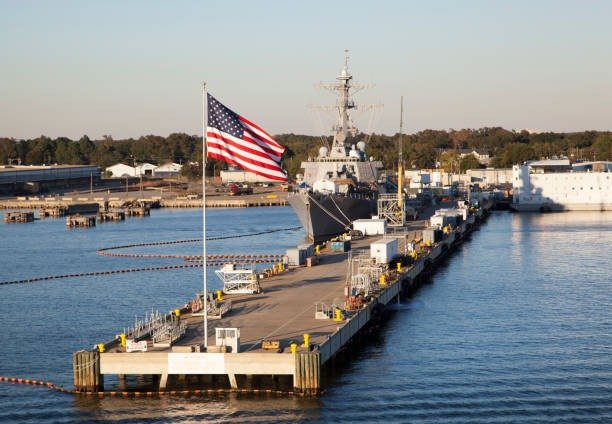
What Are the Biggest Challenges Facing the US Navy Today?

The United States Navy has long been a cornerstone of national defense, projecting power across the globe and safeguarding international waters. However, like any modern military force, it faces numerous challenges in an increasingly complex security environment. From technological advancements by potential adversaries to internal personnel issues, the US Navy must navigate a range of obstacles to remain effective and resilient. This article explores the biggest challenges facing the US Navy today and how they impact both strategy and operations.
Maintaining Technological Superiority
One of the primary challenges for the US Navy is maintaining technological superiority over rival nations. With countries like China and Russia investing heavily in advanced naval systems, the Navy must ensure that its ships, submarines, and aircraft remain cutting-edge. This includes deploying next-generation aircraft carriers, destroyers, and unmanned systems capable of operating in contested environments. US Navy ranks, from junior officers like Ensigns to senior leaders like Admirals, play a crucial role in integrating new technologies into daily operations and ensuring personnel are adequately trained to use them effectively.
Cybersecurity is another dimension of technological challenges. Modern naval operations rely heavily on networked systems for communication, navigation, and weapon guidance. This dependency makes the Navy a potential target for cyber attacks, which could disrupt operations or compromise sensitive information. Leaders across all US Navy ranks must prioritize cybersecurity training and implement robust protocols to protect critical infrastructure.
Recruiting and Retaining Skilled Personnel
Another significant challenge facing the US Navy is recruiting and retaining skilled personnel. The modern Navy requires sailors with expertise in areas such as engineering, cyber warfare, and advanced weapon systems. However, competition with the private sector for highly skilled talent makes recruitment increasingly difficult. US Navy ranks, including Petty Officers and Chief Petty Officers, are responsible for mentoring junior sailors and ensuring they develop the expertise necessary to meet operational demands. Retention is also a concern, as high operational tempo and long deployments can lead to burnout and attrition.
To address these challenges, the Navy has implemented programs to improve quality of life, provide career development opportunities, and enhance compensation packages. Nevertheless, balancing personnel needs with budget constraints remains a persistent struggle for naval leadership.
Budgetary Constraints and Resource Allocation
Financial limitations are another major challenge for the US Navy. Despite being one of the largest navies in the world, budget constraints affect shipbuilding, maintenance, and modernization efforts. Aging vessels require costly repairs, while funding new technologies often competes with ongoing operational expenses. US Navy ranks from Lieutenant Commanders to Captains must make difficult decisions about how to allocate limited resources effectively, prioritizing missions and capabilities that best support national defense objectives.
Budgetary pressures also impact training programs, readiness exercises, and recruitment initiatives. Insufficient funding can limit the Navy’s ability to respond to emerging threats, maintain strategic deterrence, and sustain a technologically advanced fleet.
Addressing Strategic Competition
The global strategic environment is becoming increasingly competitive, with great-power rivals challenging US naval dominance in key regions. China’s growing maritime capabilities in the South China Sea and Russia’s naval operations in the Arctic exemplify this challenge. The US Navy must develop strategies to deter aggression, maintain freedom of navigation, and protect vital sea lanes. US Navy ranks, from junior officers to Rear Admirals, are instrumental in planning and executing operations that uphold these strategic objectives.
In addition to great-power competition, regional conflicts, piracy, and humanitarian crises require flexible naval responses. Maintaining a forward presence while managing risks associated with contested environments is a delicate balance for Navy leadership.
See also: Powering Industrial Growth with Advanced Electrical Solutions
Modernizing Fleet Capabilities
Fleet modernization is an ongoing challenge for the US Navy. Many vessels currently in service are decades old, and rapid technological change requires constant upgrades to remain effective. Modernization includes incorporating advanced missile systems, stealth technology, and unmanned platforms, as well as upgrading existing ships with improved sensors and communication systems. Officers across US Navy ranks must stay informed about emerging technologies and ensure their crews are proficient in their use.
The integration of unmanned systems, such as drones and autonomous underwater vehicles, presents both opportunities and challenges. These systems can enhance intelligence-gathering and reduce risk to personnel, but they require specialized training and maintenance expertise.
Conclusion
The US Navy faces a complex array of challenges that span technology, personnel, budgeting, strategic competition, and fleet modernization. Addressing these challenges requires careful planning, strong leadership, and coordination across all US Navy ranks, from Ensigns to Admirals. While the Navy has historically demonstrated resilience and adaptability, the current operational environment demands continued innovation and vigilance. By confronting these challenges head-on, the US Navy can continue to fulfill its mission of defending the nation and maintaining global maritime security.