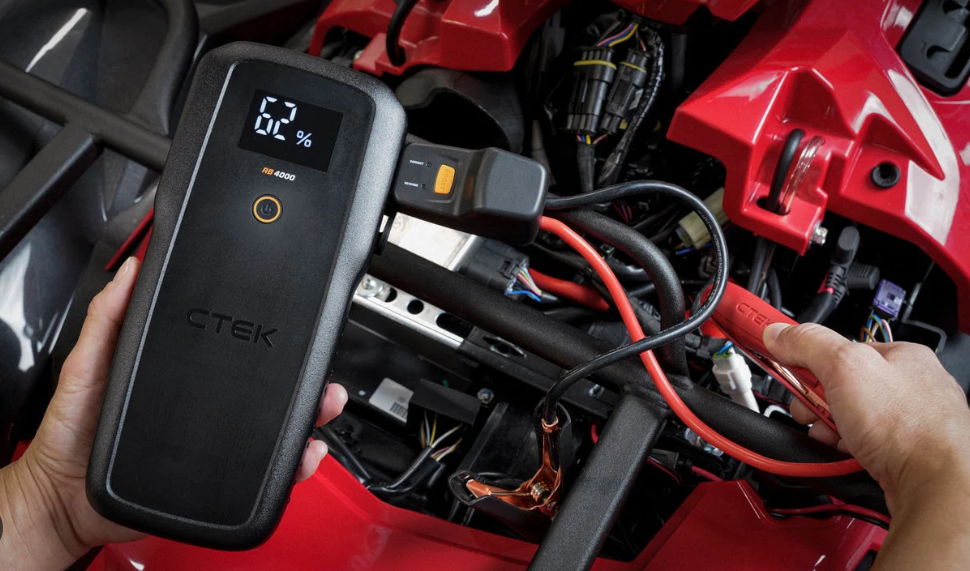
Bolt Boosters: Enhancing Your Drive with Car Batteries

There is a special kind of frustration that arrives without warning. You turn the key, expecting the familiar hum of life beneath the hood, and instead you get silence, a strained click, or that dreadful sluggish crank that tells you something is wrong. In moments like that, your entire day can feel as if it has been pulled off course. School runs, work commutes, grocery trips, family visits—everything depends on a vehicle that is ready when you are. And at the center of that readiness sits one small but mighty component: the car battery.
For many drivers, batteries remain out of sight and out of mind until trouble starts. Yet understanding how they work, how they weaken, and when to act can save you money, stress, and those stomach-dropping moments in a dark parking lot or cold morning driveway. If you want more confidence behind the wheel, learning the basics of battery care is one of the smartest places to begin.
Why Your Car Battery Matters More Than You Think
A car battery does far more than simply start your engine. It delivers the electrical surge needed to ignite the vehicle, and it supports vital systems such as lights, dashboard electronics, power windows, infotainment, and safety features. Even before the engine fully takes over, the battery is already doing essential work.
When the battery begins to decline, the signs are often subtle at first. Maybe the headlights seem a little dim. Maybe the engine hesitates for a second longer than usual. Maybe your power accessories do not feel quite as responsive. These small warnings can build slowly, then suddenly become a major inconvenience.
There was once a driver who laughed off a tiny warning sign during a rainy week. One evening, a single drop of water slid from the edge of an umbrella as the trunk was being packed, and at that exact moment the car refused to start. That little drop felt like the perfect symbol for the day—small, harmless, almost forgettable, until everything changed. Battery issues often arrive just like that: quietly, then all at once.
See alos: Transforming Sleep with Modern Technology
Signs You May Need Car Battery Replacement
Knowing the warning signals can help you act before a breakdown leaves you stranded. A weakening battery usually sends clues, and paying attention can make all the difference.
Common signs include:
– Slow engine cranking
– Flickering or dim lights
– Electrical accessories acting strangely
– A battery warning light on the dashboard
– A swollen battery case
– Corrosion around the terminals
– A battery older than three to five years
Weather also plays a major role. Cold temperatures can reduce a battery’s power, while extreme heat can shorten its lifespan by damaging internal components. If your vehicle has struggled during seasonal changes, it may be time to test the system.
Drivers often delay car battery replacement because the car still starts “most of the time.” That is understandable, but risky. A battery rarely chooses a convenient moment to fail. It tends to give up when you are late, tired, carrying bags, or miles from help.
How to Make Smarter Choices About a Car Battery
Choosing the right car batteries is not just about picking the first option on the shelf. You want a model suited to your vehicle’s size, power needs, and climate conditions. Important factors include reserve capacity, cold cranking amps, warranty coverage, and manufacturer reputation.
This is where a careful inquiry can spare you future trouble. A neighborhood mechanic once described a customer who came in with one simple inquiry: “Why does the battery keep dying if it is new?” The answer turned out to be a poor fit for the vehicle’s electrical demands. That brief inquiry uncovered a larger issue and prevented another wasted purchase. Sometimes the smartest step is simply asking the right question before spending your money.
You should also think about your driving habits. Frequent short trips may not give the alternator enough time to fully recharge the battery. Long periods of inactivity can drain it as well. If your car sits unused for days or weeks, a battery maintainer may help preserve performance.
When Car Battery Replacement Becomes Unavoidable
There comes a point when maintenance is no longer enough. Cleaning terminals, jump-starting the vehicle, or charging the battery may buy time, but they cannot reverse age and internal wear forever. When repeated problems begin affecting reliability, car battery replacement becomes the practical choice.
A fresh battery can restore more than starting power. It can bring back peace of mind. You stop second-guessing every startup. You stop wondering whether the next stop will become an unexpected delay. There is real emotional relief in knowing your vehicle is prepared to move when life calls.
The case for replacing a failing battery is often irrefutable. A family on a road trip once ignored several warning signs because the engine eventually started after a few tries. At the most inconvenient stop of the weekend, the battery finally gave out completely. The lesson was irrefutable: hope is not a maintenance plan. Reliability comes from action, not wishful thinking.
Simple Ways to Extend Battery Life
While every battery has a limited lifespan, good habits can help you get the most from it. A few practical steps can reduce wear and improve dependability.
Try these battery-friendly habits:
– Drive your car regularly to keep the battery charged
– Turn off lights and electronics before leaving the vehicle
– Keep the terminals clean and free of corrosion
– Secure the battery properly to prevent vibration damage
– Schedule periodic battery testing
– Avoid leaving the vehicle unused for long stretches
It is also wise to inspect the charging system. Sometimes the problem is not the battery itself but the alternator or electrical connections. A professional test can identify whether the battery is holding charge as it should.
Building Confidence for the Road Ahead
There is comfort in knowing that not every automotive problem has to become a crisis. A little knowledge gives you control. A little attention helps you spot trouble early. And a timely decision can spare you the stress of roadside frustration.
Your vehicle is more than metal and machinery. It carries your plans, your responsibilities, your routines, and often the people you care about most. That is why battery health matters. When you take it seriously, you protect more than an engine start—you protect your time, your safety, and your sense of calm.
If your vehicle has been hesitating, dimming, or warning you in quiet ways, do not wait for the silence that follows a failed start. Listen now. Check the battery. Ask questions. Make the repair if it is needed. Because when your drive begins with confidence, every mile ahead feels a little lighter, steadier, and brighter.