How Device Verification API Improves Mobile Device Authentication and Security

Mobile devices are central to modern communication, business operations, and digital transactions. With millions of smartphones being sold, traded, and refurbished every year, verifying device authenticity has become essential for maintaining security and trust. Businesses that manage device sales, trade-ins, or refurbishment programs rely on advanced technologies to confirm device legitimacy and prevent fraud.
One of the most effective solutions used today is a device verification API. These systems enable automated validation of smartphone identity, status, and history through unique identifiers such as IMEI numbers. Features like IMEI verification and blacklist detection help organizations confirm whether a device is genuine, stolen, or blocked before it enters the market.
By integrating device verification APIs into mobile management platforms, companies can strengthen security, protect customers, and improve operational efficiency.
Understanding Mobile Device Authentication
Mobile device authentication refers to the process of verifying whether a smartphone is legitimate and authorized to operate on a network or within a business system. Each mobile device contains a unique identifier known as the International Mobile Equipment Identity (IMEI).
The IMEI is a 15-digit number assigned to every mobile device and used to identify it on cellular networks. This unique code helps network operators and service providers verify devices and track their status.
Authentication systems rely on databases and verification tools that compare a device’s IMEI against records of valid, lost, stolen, or blocked devices. When authentication processes are automated through APIs, verification can occur instantly during device transactions.
What Is a Device Verification API
A device verification API is a software interface that allows applications and systems to automatically validate smartphone identity and status using IMEI or serial numbers. These APIs connect to device databases that contain detailed information about smartphones.
When a device is scanned or submitted through the API, the system retrieves key information such as manufacturer details, model specifications, activation history, and network status.
Device verification APIs are widely used in mobile retail, trade-in platforms, repair centers, and device refurbishment programs to ensure that smartphones entering their systems are legitimate and safe for resale.
Importance of IMEI Verification and Blacklist Detection
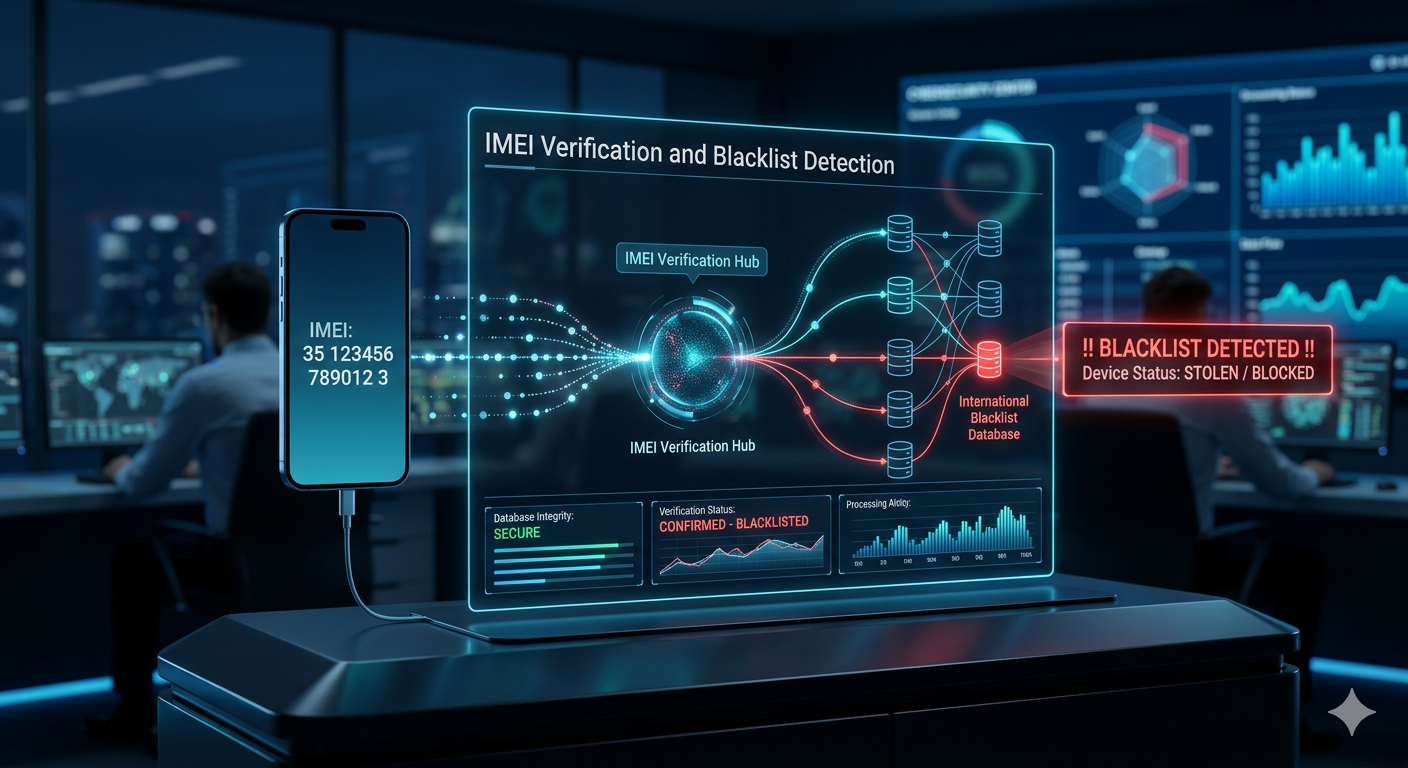
One of the most critical security features provided by device verification systems is IMEI verification and blacklist detection. This process confirms whether a smartphone has been reported lost, stolen, or blocked by a network provider.
If a device appears on a blacklist database, it may be prevented from connecting to cellular networks. This helps discourage theft and prevents unauthorized devices from being used on telecom infrastructure.
How IMEI Verification Works
IMEI verification involves comparing a smartphone’s unique identifier with official device registries and operator databases. These systems confirm whether the IMEI is valid and whether the device has any restrictions.
During verification, the system retrieves key device details including manufacturer information, model type, and network compatibility. This information helps businesses confirm that the device matches its reported specifications.
Role of Blacklisted IMEI Search
A blacklisted IMEI search checks whether a smartphone has been flagged as stolen, lost, or blocked due to fraud or unpaid bills. Devices on the blacklist are typically restricted from network access.
Performing a blacklisted IMEI search before purchasing or reselling a device helps businesses avoid handling illegal or unusable smartphones. This verification step protects both companies and consumers from financial losses.
Detecting Fraudulent or Duplicate Devices
IMEI verification systems also help detect cloned or duplicate identifiers. Fraudsters sometimes attempt to alter device identifiers to bypass network restrictions.
Automated verification tools analyze IMEI records and usage patterns to identify inconsistencies. Detecting these anomalies early helps prevent fraudulent devices from entering legitimate marketplaces.
Role of Device Verification API in Mobile Security
Security threats in the mobile ecosystem continue to grow as the global smartphone market expands. Device verification APIs strengthen mobile security by providing automated authentication and monitoring capabilities.
These APIs integrate directly into business systems, enabling real-time verification whenever devices are processed or activated.
Real-Time Device Authentication
A device verification API allows businesses to authenticate smartphones instantly using IMEI verification and blacklist detection. The system queries multiple databases and returns results within seconds.
Real-time verification ensures that suspicious devices are identified immediately, preventing them from being sold or activated within business systems.
Secure Device Transactions
Businesses involved in buying or selling used smartphones must ensure that the devices they handle are legitimate. Device verification APIs help confirm device authenticity before completing transactions.
Using automated verification tools reduces the risk of purchasing stolen or blacklisted devices and improves trust between buyers and sellers.
Improved Fraud Prevention
Fraud prevention is one of the most significant benefits of device verification systems. When organizations perform automated IMEI verification and blacklist detection, they can quickly identify devices associated with fraudulent activity.
This capability helps reduce financial losses and protects businesses from legal complications related to stolen property.
Applications of Device Verification API in the Mobile Industry
Device verification APIs are widely used across various sectors within the mobile ecosystem. These technologies support businesses that handle large volumes of smartphones throughout the device lifecycle.
Mobile Retail and Trade-In Programs
Retailers often accept old devices when customers upgrade to new smartphones. During these trade-in transactions, device verification systems perform IMEI verification and blacklist detection to confirm the device’s status.
This verification ensures that retailers do not accept devices that have been reported stolen or blocked by network operators.
Device Refurbishment and Resale
Refurbishment companies purchase used smartphones, repair them, and resell them in secondary markets. Before processing devices, these companies conduct a blacklisted IMEI search to confirm that the phones can legally be resold.
Verification APIs streamline this process by automatically checking device status during intake and grading workflows.
Mobile Repair and Service Centers
Repair technicians must verify device status before servicing smartphones. If a device appears on a blacklist database, repair centers may refuse service to avoid legal complications.
A device verification API allows technicians to check device identity and status quickly, ensuring compliance with industry regulations.
See also: Transforming Sleep with Modern Technology
Benefits of Automated Device Verification Systems
The adoption of device verification APIs provides numerous advantages for businesses involved in the mobile ecosystem.
Faster Device Processing
Automation enables businesses to verify device information instantly without manual research or database queries. This significantly speeds up trade-in and refurbishment workflows.
Companies that process hundreds of smartphones daily benefit from the efficiency and scalability of automated verification systems.
Increased Transparency
Device verification APIs provide detailed device information including model specifications, activation status, and warranty details. This transparency allows businesses to make informed decisions during device evaluation.
Having access to accurate device data also improves customer confidence when purchasing pre-owned smartphones.
Enhanced Compliance and Security
Regulatory requirements in the telecommunications industry often require businesses to verify device identity before resale or activation.
Automated IMEI verification and blacklist detection ensure that businesses comply with security guidelines while protecting their operations from fraud and illegal devices.
Integration with Device Lifecycle Management Platforms
Modern mobile device management platforms combine multiple technologies into a unified system. Device verification APIs often integrate with diagnostics tools, grading systems, and data management solutions.
This integration allows businesses to verify device authenticity, assess hardware condition, and prepare devices for resale within a single workflow.
By combining verification with other device management features, companies can streamline operations and reduce the need for multiple standalone tools.
The Future of Mobile Device Verification Technology
As smartphone usage continues to grow globally, device verification technologies will become even more important. The rise of secondary smartphone markets and global device trading increases the need for reliable authentication systems.
Future verification platforms may incorporate artificial intelligence, advanced fraud detection algorithms, and expanded global device databases.
These innovations will improve the accuracy and speed of IMEI verification and blacklist detection while helping organizations respond to emerging security threats.
Conclusion
Mobile device authentication plays a vital role in protecting both businesses and consumers in the smartphone ecosystem. With millions of devices entering secondary markets every year, verifying smartphone legitimacy is essential for maintaining trust and security.
Device verification APIs provide powerful solutions for automated authentication, enabling organizations to confirm device identity quickly and accurately. Through IMEI verification and blacklist detection, businesses can identify fraudulent or stolen devices before they enter legitimate marketplaces.
By implementing technologies such as blacklisted IMEI search and automated device validation, companies can strengthen security, reduce fraud risks, and build a safer mobile device marketplace for everyone involved.