Industrial Cooler Systems for Efficient Cooling in Large Commercial and Industrial Spaces

Managing temperature in large commercial and industrial environments is a constant challenge. Facilities such as warehouses, manufacturing plants, factories, and workshops often generate significant heat due to heavy machinery, production processes, and limited ventilation. Without proper cooling systems, these environments can become uncomfortable, unsafe, and inefficient. This is where an industrial cooler becomes an essential solution.
Industrial cooling systems are specifically designed to handle large areas where traditional air conditioning systems may not be practical or cost-effective. They offer powerful airflow, improved ventilation, and energy-efficient performance, making them ideal for maintaining comfortable and productive workspaces.
Understanding Industrial Cooler Systems
An industrial cooler is a high-capacity cooling solution engineered to regulate temperature in expansive spaces. Unlike conventional air conditioning systems that rely heavily on refrigerants and sealed environments, industrial coolers often use natural cooling techniques such as evaporative cooling to deliver fresh and cool air.
These systems are particularly effective in environments where airflow and ventilation are critical. By continuously circulating fresh air, an industrial cooler helps maintain a healthier and more comfortable indoor atmosphere.
Why Industrial Cooling Is Important
In industrial settings, excessive heat can have a direct impact on both productivity and safety. Workers exposed to high temperatures may experience fatigue, reduced concentration, and even heat-related illnesses. Similarly, machinery operating in hot conditions is more prone to overheating and breakdowns.
Key reasons to invest in industrial cooling:
- Maintains a comfortable working environment for employees
- Prevents machinery from overheating and malfunctioning
- Reduces downtime and improves operational efficiency
- Enhances air quality and ventilation
- Supports compliance with workplace safety standards
With the right industrial cooler, businesses can ensure consistent performance and a safer working environment.
Benefits of Industrial Coolers
Industrial coolers offer several advantages that make them a preferred choice for large-scale cooling requirements. They are designed to deliver efficient performance while keeping operational costs under control.
Major benefits include:
- Energy Efficiency: Consumes significantly less power compared to traditional air conditioning systems
- Cost Savings: Lower installation and maintenance costs
- Eco-Friendly Operation: Uses natural cooling processes with minimal environmental impact
- Wide Coverage: Capable of cooling large open spaces effectively
- Improved Air Circulation: Ensures continuous flow of fresh air
These benefits make an industrial cooler a practical and sustainable solution for various industries.
How Industrial Coolers Work
Most industrial coolers operate using evaporative cooling technology, a process that mimics natural cooling through water evaporation. This method is highly effective in reducing temperatures while maintaining energy efficiency.
The working process involves:
- Drawing warm air from the surrounding environment
- Passing the air through water-saturated cooling pads
- Cooling the air through evaporation
- Distributing the cooled air evenly across the space
This system not only cools the air but also improves ventilation, making it ideal for industrial applications.
Applications of Industrial Coolers
Industrial coolers are versatile and can be used in a wide range of settings. Their ability to provide efficient cooling for large areas makes them suitable for various industries.
Common applications include:
- Warehouses and storage facilities
- Manufacturing units and factories
- Workshops and mechanical garages
- Agricultural and farming facilities
- Event spaces and large commercial areas
By installing an industrial cooler, businesses can maintain optimal conditions regardless of the size or complexity of their operations.
Types of Industrial Coolers
There are several types of industrial coolers available, each designed to meet specific requirements. Choosing the right type depends on factors such as space size, cooling needs, and operational environment.
Common types include:
- Ducted Coolers: Provide centralized cooling for large facilities
- Portable Coolers: Offer flexibility and can be moved as needed
- Fixed Units: Designed for permanent installation in specific areas
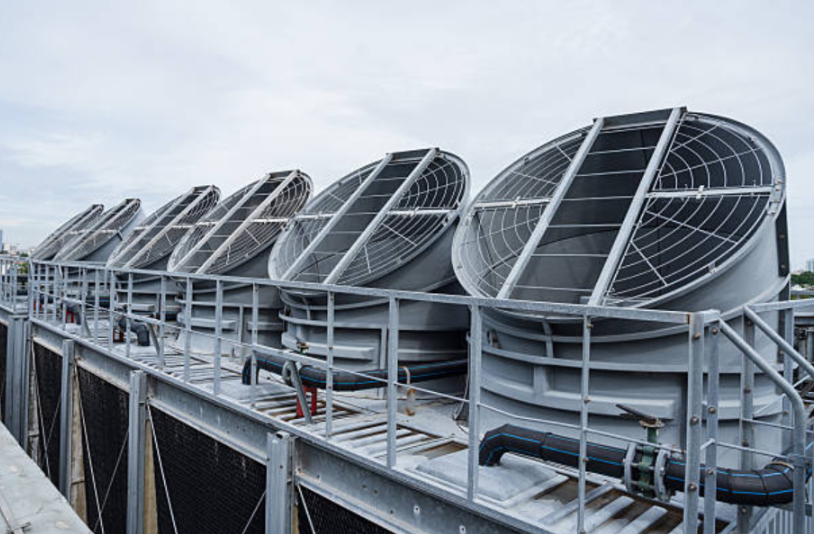
- Roof-Mounted Systems: Save floor space while delivering effective cooling
Each type offers unique advantages, allowing businesses to select a solution that aligns with their operational needs.
Factors to Consider When Choosing an Industrial Cooler
Selecting the right cooling system is essential to achieve maximum efficiency and performance. Businesses should carefully evaluate their requirements before making a decision.
Important factors to consider:
- Size and layout of the facility
- Cooling capacity and airflow requirements
- Energy efficiency and operating costs
- Installation complexity
- Environmental conditions and climate
By considering these factors, businesses can ensure they invest in the most suitable industrial cooler for their needs.
Maintenance and Performance
Regular maintenance is crucial for ensuring the longevity and efficiency of industrial cooling systems. Proper care helps prevent unexpected breakdowns and ensures consistent performance.
Maintenance tips include:
- Cleaning cooling pads regularly to maintain efficiency
- Checking water levels and ensuring proper circulation
- Inspecting fans, motors, and electrical components
- Ensuring proper airflow and ventilation
- Scheduling routine professional servicing
A well-maintained industrial cooler will operate more efficiently and provide reliable cooling over time.
See also: Transforming Workforce Management for Modern Businesses
Energy Efficiency and Environmental Benefits
Modern industrial coolers are designed with sustainability in mind. They consume less energy compared to traditional cooling systems and rely on environmentally friendly processes.
Key environmental advantages:
- Reduced electricity consumption
- Lower carbon footprint
- Use of natural cooling methods
- Minimal reliance on harmful refrigerants
These features make industrial coolers an excellent choice for businesses looking to adopt eco-friendly solutions while maintaining efficiency.
Choosing a Trusted Cooling Solution Provider
Working with an experienced provider ensures that you receive a high-quality cooling system tailored to your specific requirements. Professional suppliers offer expert advice, helping businesses select the right equipment for their operations.
Yesarctic is a trusted provider of industrial cooling solutions, offering reliable and efficient systems designed for large-scale applications. Their expertise ensures that businesses receive customized solutions that deliver optimal performance.
Conclusion
Industrial cooling systems play a vital role in maintaining productivity, safety, and comfort in large commercial and industrial environments. An efficient industrial cooler provides a cost-effective and energy-efficient solution for managing heat while improving air quality and ventilation.
By choosing the right system and ensuring proper maintenance, businesses can create a comfortable and productive workspace that supports long-term growth. With advancements in cooling technology, industrial coolers continue to offer reliable, sustainable, and high-performance solutions for modern industrial needs.