The Micro-Wedding Evolution: Why High-End Intimacy is Replacing Grandeur in the English Countryside

The shift toward micro-weddings in the English countryside represents a fundamental change in how couples prioritize their budget and emotional energy. Rather than hosting hundreds of distant acquaintances, modern pairs are opting for guest lists of 15 to 40 people to ensure every attendee experiences a high level of luxury. This evolution is driven by a desire for “slow” celebrations where meaningful conversation replaces the logistical chaos of large-scale events. By reducing the headcount, couples can reallocate funds toward Michelin-standard catering, premium wine pairings, and multi-day residential stays. Ultimately, high-end intimacy is no longer seen as a compromise, but as a deliberate choice for a more curated and impactful experience.
The Economics of Quality Over Quantity
The financial architecture of a wedding changes drastically when the guest count drops. In a traditional large-scale wedding, a significant portion of the budget is consumed by “functional” costs—renting massive marquees, basic chair hire for hundreds, and bulk catering that often sacrifices complexity for scale. When the guest list is condensed, the cost-per-head can increase by 200% to 300% without raising the total spend.
This allows couples to invest in high-density value markers:
- Gastronomy: Transitioning from standard three-course chicken dinners to 7-course tasting menus with localized, seasonal ingredients.
- Open Bar Premiumization: Replacing house wine with vintage Champagnes or craft cocktail bars featuring bespoke spirits.
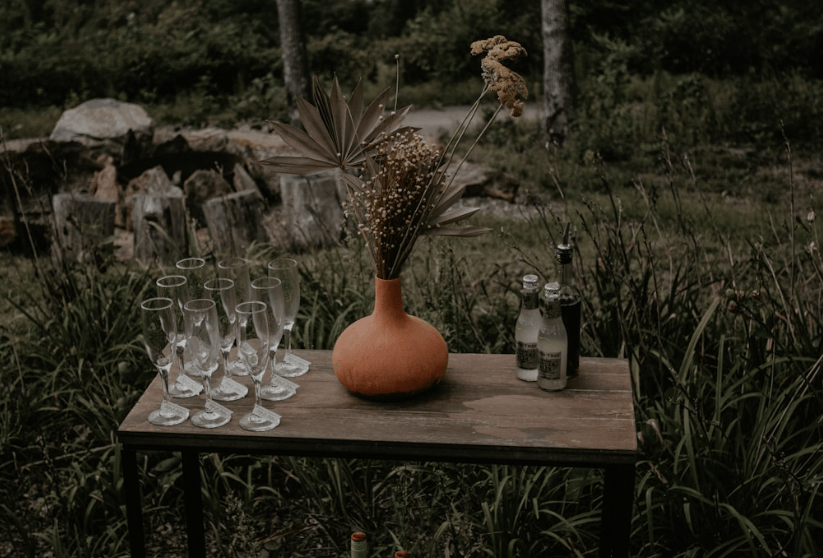
- Atmosphere: Investing in high-end floral installations that would be cost-prohibitive in a 500-square-meter ballroom but are transformative in an intimate dining room.
This reallocation of funds ensures that the “guest experience” is elevated from a spectator event to an immersive culinary and social journey.
The Psychology of the Intimate Setting
Large weddings often follow a rigid, performance-based structure where the couple spends less than two minutes interacting with each guest. This creates a “transactional” atmosphere that many modern couples find hollow. In contrast, an intimate setting fosters a communal environment where the couple actually participates in their own celebration. The psychology here is simple: lower social pressure leads to higher emotional engagement.
In the heart of Gloucestershire, this trend has seen a surge in the popularity of boutique estates that offer a “home-away-from-home” feel. Venues that prioritize character and architectural detail over raw capacity are becoming the first choice for discerning planners. For those seeking the pinnacle of this movement, Burleigh Court, a Boutique Hotel & Garden Spa, stands out among premier cotswolds wedding venues by providing the exact architectural scale and secluded atmosphere required for such refined gatherings. Situated near Minchinhampton, it allows couples to utilize historic stone settings and tiered gardens without the echoing emptiness of a massive hall.
Logistics and Flexibility in the Rural Landscape
Planning a wedding in the English countryside presents unique geographical challenges, particularly regarding guest transport and accommodation. Large weddings often force guests into a fragmented network of local B&Bs and hotels, requiring complex shuttle logistics. Micro-weddings solve this by allowing the entire wedding party to stay under one roof.
This “exclusive hire” model transforms a single afternoon event into a 48-hour retreat. When the venue is sized correctly for the group, the flow of the day becomes much more fluid. There is no need for a strict “ushering” of guests; instead, people move naturally between the ceremony space, the gardens, and the lounge. This flexibility also extends to the legalities and ceremony styles, as smaller groups can utilize unconventional spaces—such as intimate garden terraces or small wood-paneled libraries—that are not licensed for high-capacity crowds but are perfect for a dozen witnesses.
See also: Best Event Planner Turkey | Destination & Event Guide
The Sustainability of Smaller Celebrations
Beyond the social and financial benefits, the move toward intimacy is a response to the growing demand for sustainable luxury. Large weddings generate a disproportionate amount of waste, from discarded food to single-use decor. Smaller events allow for a “zero-waste” approach where every element is intentional. Local sourcing becomes easier when you only need to procure 20 portions of local venison rather than 200, supporting the local economy while reducing the carbon footprint of the event.
The micro-wedding is not a trend born of necessity, but a sophisticated evolution of the English wedding tradition. It prioritizes the depth of the experience over the breadth of the guest list, proving that in the quiet corners of the countryside, less really is more.