The Silent Crisis: How Academic Stress Is Redefining Student Mental Health in Australia

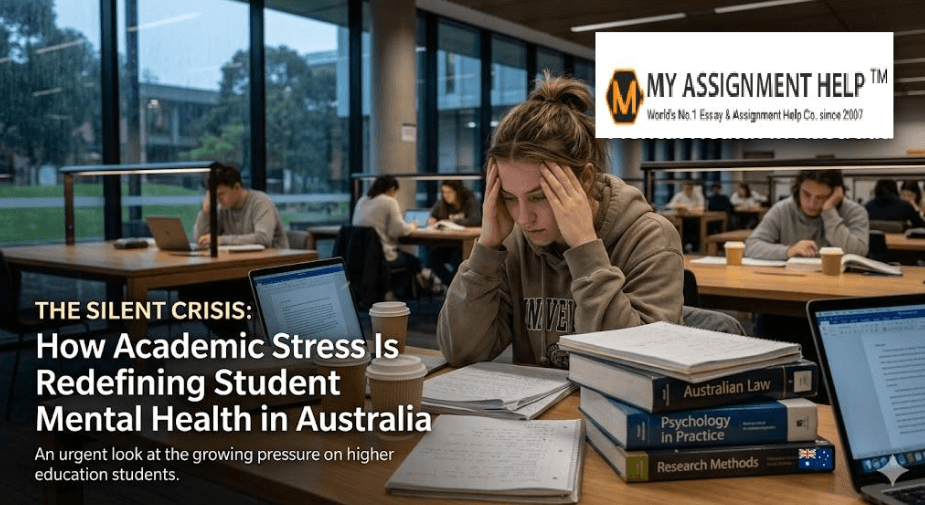
Australia’s diverse landscapes and vibrant student cities offer an inspiring environment for education, but behind the campuses of major universities and the modern classrooms of senior secondary colleges, a quiet crisis is unfolding. For high school students in Sydney, vocational trainees in Brisbane, and university students in Melbourne, Australia is becoming a pressure cooker of academic expectation.
As the educational landscape becomes increasingly competitive in 2026, the toll on student mental health has reached a tipping point. Understanding the intersection of academic pressure, economic challenges, and evolving education standards is essential to addressing why students are struggling—and how we can support them.
The Weight of the ATAR: High School Pressure in the Digital Age
For Australian students in Years 11 and 12, the Australian Tertiary Admission Rank (ATAR) is often seen as the ultimate measure of success. While educational frameworks across states provide structured learning pathways, the psychological burden of these final years is immense.
Academic stress isn’t just about exams—it’s about the “all or nothing” mindset. Many students feel that a single poor performance in a subject like chemistry or English could derail their future goals, such as gaining entry into competitive university programs.
To manage this pressure, some students turn to professional academic support, including assignment help Brisbane services or online tutoring platforms. These resources can help students stay on track with demanding workloads.
With digital learning tools becoming the norm, the school day no longer ends in the classroom. Notifications, assignments, and deadlines follow students home, blurring the boundaries between study and rest.
The “Australian Reality”: Mobility, Costs, and Competition
Across Australia, students face increasing pressure due to rising living costs, competitive university admissions, and the need for relocation. Many students move from regional areas to major cities like Sydney, Melbourne, or Brisbane to pursue higher education.
This transition adds financial stress, housing challenges, and social adjustments to an already demanding academic workload. Students pursuing specialized fields often seek professional help, Myassignmenthelp for a managerial accounting assignment, to help balance academic expectations with everyday responsibilities.
The Rise of “Perfectionism Culture” and Digital Comparison
Social media has intensified academic pressure by promoting constant comparison. Australian students are no longer just competing with classmates—they are comparing themselves to peers across the country and globally.
When self-worth becomes tied to academic performance, even minor setbacks feel overwhelming. This leads to:
- Sleep Deprivation: Late-night study sessions replace proper rest
- Social Withdrawal: Students sacrifice hobbies and social life
- Cognitive Fatigue: Overworking reduces learning efficiency
Ironically, this cycle often results in declining performance despite increased effort.
The Mental Health Toll: Beyond Just “Feeling Stressed”
It’s important to distinguish between healthy stress and chronic distress. Across Australia, mental health concerns among students aged 15–24 are rising significantly.
Common issues include:
- Generalized Anxiety Disorder (GAD): Constant worry about grades and future careers
- Depression: Feelings of hopelessness when expectations feel unreachable
- Physical Symptoms: Headaches, fatigue, and weakened immunity due to stress
In severe cases, students may become overwhelmed to the point of avoiding academic tasks altogether, creating a cycle of stress and procrastination.
Bridging the Gap: The Role of Support Systems
1. Normalizing the Struggle
Educational institutions across Australia must actively reduce the stigma around mental health. Open conversations from teachers, counselors, and universities encourage students to seek help early.
2. Strategic Academic Support
Managing heavy workloads is one of the biggest challenges for students. Seeking academic guidance through professional services is increasingly seen as a practical solution rather than a weakness.
Using reliable assignment help services allows students to reduce cognitive overload, meet deadlines, and focus on understanding concepts rather than just completing tasks.
3. Mindfulness and Lifestyle Balance
Australia offers incredible natural environments that can support mental well-being. Whether it’s spending time outdoors, exercising, or practicing mindfulness, maintaining balance is key to reducing stress.
Reimagining Success for the Next Generation
To improve student mental health, Australia must redefine success. Academic achievement is important, but it should not come at the cost of well-being.
Students should be encouraged to explore diverse pathways, including:
- Vocational Education and Training (VET)
- Apprenticeships
- Gap years and skill-based learning
The focus should shift from achieving the highest rank to building a sustainable and fulfilling career.
See also: Orthopedic Implant Removal: Essential Procedures for Patient Safety
Frequently Asked Questions
Q.1 What are the primary causes of academic stress in Australian students?
High ATAR expectations, university admission pressure, financial stress, and relocation challenges are key factors.
Q.2 Are there support services available for students?
Yes. Students can access support through Headspace centers, school counselors, Lifeline, and online academic support platforms.
Q.3 Does using assignments help improve mental health?
Yes, when used responsibly. It reduces workload pressure and helps students manage deadlines effectively.
Author Bio: Drake Miller
I am a dedicated blog author and associated with Myassignmenthelp.services, committed to guiding students toward academic success. With a passion for simplifying complex topics, I create insightful and practical content that enhances learning. My goal is to support students in managing their studies effectively, improving their skills and achieving their educational goals with confidence through reliable guidance and well-structured academic resources.