What to Expect from a Dermal Filler Treatment: Results, Recovery, and Safety Explained

Facial rejuvenation treatments have become increasingly popular among individuals seeking non-surgical ways to enhance their appearance. Among the most commonly requested aesthetic procedures is dermal filler treatment. These injectable treatments can restore lost volume, improve facial contours, and create a refreshed appearance without the need for surgery.
Many patients considering fillers have questions about the treatment process, expected results, recovery time, and overall safety. Understanding what happens before, during, and after treatment can help you make an informed decision. Patients interested in facial enhancement often explore options such as dermal filler treatment to address age-related volume loss and improve facial balance.
What Is a Dermal Filler Treatment?
Dermal fillers are injectable substances designed to restore volume beneath the skin. They are commonly used to improve facial contours, reduce the appearance of wrinkles, and enhance specific facial features.
Understanding How Dermal Fillers Work
As the body ages, natural collagen, elastin, and facial fat gradually decrease. This loss of structural support can result in hollow areas, wrinkles, and sagging skin. Dermal fillers work by adding volume beneath the skin to restore youthful contours.
Most modern fillers contain hyaluronic acid, a substance naturally found in the body. Hyaluronic acid attracts moisture and helps create a fuller, smoother appearance.
Common Types of Facial Fillers
Several filler formulations are available depending on the treatment area and desired outcome.
Common filler categories include:
- Hyaluronic acid fillers
- Calcium hydroxylapatite fillers
- Poly-L-lactic acid fillers
- Combination facial rejuvenation products
- Specialty contouring fillers
Each type serves a specific purpose and is selected based on individual treatment goals.
Why Dermal Fillers Are Popular for Facial Rejuvenation
Patients appreciate fillers because they provide noticeable improvements without surgery. Treatment sessions are relatively quick, recovery is typically minimal, and results can often be seen shortly after the procedure.
What Concerns Can Dermal Fillers Address?
Dermal fillers are versatile and can address a wide range of cosmetic concerns.
Restoring Lost Facial Volume
Volume loss is one of the most common signs of aging. Fillers can help replenish volume in areas where facial fullness has diminished over time.
This restoration can create a more youthful and balanced appearance while maintaining natural facial expressions.
Softening Fine Lines and Wrinkles
Certain facial folds and wrinkles become more prominent as collagen levels decline. Fillers can smooth these areas by adding support beneath the skin.
Enhancing Facial Contours
Fillers are often used to improve facial definition and symmetry. Strategic placement can create subtle enhancements that complement existing facial features.
Benefits may include:
- Improved cheek definition
- Enhanced lip shape
- Better jawline contour
- Improved chin projection
- Softer facial folds
Improving Facial Symmetry
Small differences in facial structure can often be balanced through carefully planned filler treatment. The goal is to enhance harmony while preserving natural appearance.
Common Treatment Areas for Dermal Fillers
Dermal fillers can be used in multiple areas of the face depending on the patient’s needs.
Lip Fillers for Volume and Definition
Lip enhancement remains one of the most requested filler procedures. Fillers can add volume, improve symmetry, and define the lip border.
Treatment plans are customized to achieve natural-looking outcomes that align with individual facial proportions.
Cheek Fillers for Facial Contouring
Cheek fillers help restore mid-face volume and improve overall facial structure. Enhanced cheek support can also contribute to a more youthful appearance.
Jawline and Chin Enhancement
Fillers can strengthen jawline definition and improve chin projection without surgery. These treatments are often used to create improved facial balance.
Nasolabial Folds and Marionette Lines
Lines around the mouth and nose are common treatment areas because volume restoration can soften their appearance effectively.
What Happens During a Dermal Filler Treatment Appointment?
Understanding the treatment process can help patients feel more comfortable before their appointment.
Initial Consultation and Facial Assessment
Every treatment begins with a detailed consultation. The provider evaluates facial anatomy, discusses aesthetic goals, and develops a personalized treatment plan.
During this evaluation, patients may also discuss other services offered by an oral surgeon for dental implants if they are interested in broader facial and oral health improvements.
Creating a Personalized Treatment Plan
A customized approach helps ensure that filler placement aligns with the patient’s unique facial structure and desired outcomes.
Factors considered include:
- Facial proportions
- Areas of volume loss
- Skin condition
- Treatment goals
- Overall facial harmony
The Injection Process Explained
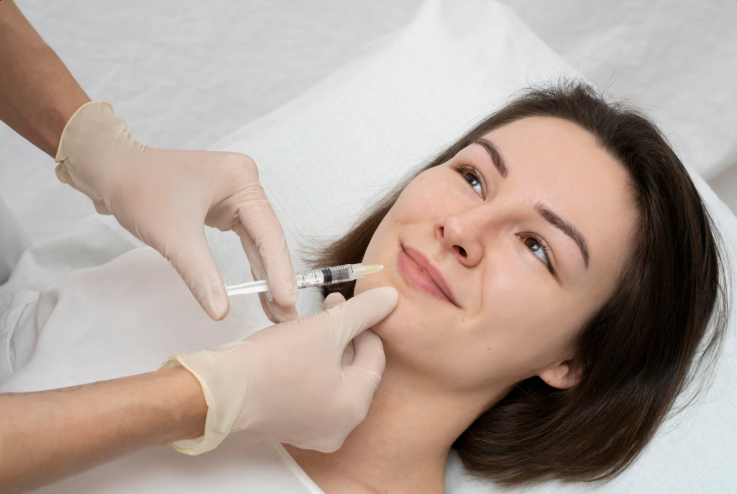
The filler is carefully injected into targeted areas using specialized techniques. The process is designed to maximize precision and minimize discomfort.
How Long the Procedure Typically Takes
Most filler appointments can be completed within an hour, depending on the number of treatment areas involved.
What Results Can You Expect From Dermal Fillers?
Patients often choose fillers because they offer visible improvements without lengthy recovery periods.
Immediate Improvements After Treatment
Many fillers provide noticeable enhancement immediately following treatment. Initial swelling may temporarily affect appearance, but improvements are often visible right away.
How Results Continue to Settle
As swelling subsides, the treated areas settle into their final appearance. Results typically continue to refine over the days following treatment.
Natural-Looking Enhancement Goals
The objective of modern filler treatment is not to create dramatic changes. Instead, the focus is on restoring balance, volume, and facial harmony while preserving natural expressions.
How Long Dermal Filler Results Last
The longevity of results depends on the filler type, treatment area, and individual factors.
Typical influences on duration include:
- Product selection
- Metabolism
- Lifestyle factors
- Treatment location
- Maintenance schedule
Many fillers provide results lasting from several months to over a year.
Dermal Filler Recovery: What Patients Should Know
Recovery is generally straightforward, but patients should understand what to expect.
Common Side Effects After Treatment
Mild swelling, redness, tenderness, and bruising are among the most common temporary side effects. These reactions usually resolve within a few days.
Managing Swelling and Bruising
Following post-treatment instructions can help minimize discomfort and support proper healing.
Helpful recovery tips include:
- Avoid unnecessary pressure on treated areas
- Stay hydrated
- Follow provider recommendations
- Attend follow-up visits
- Monitor healing progress
Activities to Avoid During Recovery
Patients are often advised to avoid strenuous exercise and excessive heat exposure immediately after treatment.
When to Resume Normal Routines
Most individuals can return to their regular activities shortly after their appointment, although specific instructions may vary.
Are Dermal Fillers Safe?
Safety is one of the most important considerations when choosing any aesthetic treatment.
The Importance of Qualified Providers
Proper training and experience play a major role in achieving safe and successful outcomes. Choosing a qualified provider helps reduce the likelihood of complications.
Understanding Potential Risks and Side Effects
Like any medical procedure, fillers carry some risks. However, serious complications are uncommon when treatment is performed appropriately.
Potential side effects may include:
- Temporary swelling
- Mild bruising
- Tenderness
- Redness
- Temporary asymmetry
Most side effects resolve naturally within a short period.
How Safety Protocols Reduce Complications
Modern treatment protocols emphasize patient safety through careful assessment, sterile techniques, and individualized planning.
What Patients Should Discuss During Consultation
Patients should openly discuss medical history, allergies, medications, and treatment expectations during the consultation process.
Who Is a Good Candidate for Dermal Filler Treatment?
Not every patient has the same treatment goals, making personalized evaluation essential.
Patients Seeking Non-Surgical Facial Rejuvenation
Individuals interested in enhancing their appearance without surgery often find fillers to be an attractive option.
Individuals Experiencing Age-Related Volume Loss
Patients noticing facial hollowing or reduced skin support may benefit from volume restoration.
Patients Looking for Natural-Looking Results
Modern filler techniques focus on subtle improvements that maintain the patient’s unique facial characteristics.
Factors Evaluated Before Treatment
An experienced provider evaluates overall health, facial anatomy, and aesthetic objectives before recommending treatment.
Dermal Fillers vs Other Facial Rejuvenation Treatments
Patients frequently compare fillers with other cosmetic procedures.
Comparing Fillers and Sculptra
While fillers provide immediate volume, collagen-stimulating treatments such as Sculptra focus on long-term collagen production and gradual improvement.
Fillers vs Surgical Facial Procedures
Fillers offer a less invasive alternative for many patients who are not ready for surgery or who prefer shorter recovery times.
Choosing the Right Treatment for Your Goals
Some patients combine filler treatments with other advanced services, including laser treatment for teeth, as part of a broader approach to facial and smile enhancement.
Tips for Maintaining Dermal Filler Results
Long-lasting results depend on proper maintenance and ongoing care.
Following Post-Treatment Instructions
Adhering to professional guidance supports optimal healing and treatment longevity.
Maintaining Healthy Skin Habits
Good skincare practices help complement filler results and support overall skin quality.
Scheduling Follow-Up Appointments
Regular evaluations allow providers to monitor results and recommend maintenance treatments when appropriate.
Understanding Maintenance Treatments
Because fillers are temporary, periodic touch-up appointments may be necessary to preserve results over time.
Conclusion
Dermal filler treatment offers an effective, non-surgical solution for restoring facial volume, enhancing contours, and supporting a more refreshed appearance. Understanding the treatment process, recovery expectations, and safety considerations helps patients make informed decisions about their care. While fillers provide noticeable improvements with minimal downtime, choosing a qualified provider remains one of the most important factors in achieving safe and natural-looking results. A personalized treatment plan ensures that enhancements complement your unique facial features and aesthetic goals. To learn more about your options, schedule a consultation and contact Implant Oral Surgery & Aesthetics for professional guidance.
Frequently Asked Questions
What is a dermal filler treatment?
Dermal filler treatment involves injecting specialized materials beneath the skin to restore volume, improve contours, and reduce the appearance of facial aging.
How long do dermal fillers last?
The duration varies depending on the filler type and treatment area, but many fillers provide results lasting several months to over a year.
Are dermal fillers safe?
Yes. Dermal fillers are generally considered safe when administered by qualified and experienced professionals using approved products.
How long is filler recovery?
Most patients experience only mild swelling or bruising and can return to normal activities shortly after treatment.
Do dermal fillers look natural?
Modern filler techniques focus on subtle enhancement and facial balance, helping create natural-looking results that complement existing features.