Best Portable Label Printer for Businesses, Retail, and Field Professionals

In today’s fast-paced business environment, efficiency and organization are more important than ever. Whether you operate a warehouse, manage a retail store, work in the electrical industry, or run a growing small business, having the best portable label printer can significantly improve productivity. Portable labeling solutions allow professionals to print high-quality labels anytime and anywhere, eliminating delays and reducing operational errors.
This article explores what makes a label printer stand out, the industries that benefit most, and how to choose the right device for your needs.
Why Portable Label Printing Matters in Modern Workflows
Traditional desktop printers are useful best portable label printer in office settings, but they limit mobility. In industries like logistics, electrical installation, healthcare, and retail, work does not happen at a desk. Teams move between shelves, job sites, storage areas, and customer locations. A portable label printer eliminates the need to return to a central workstation every time a label is required.
With on-demand printing, businesses can:
- Improve operational efficiency
- Reduce labeling mistakes
- Enhance product and asset organization
- Maintain professional standards
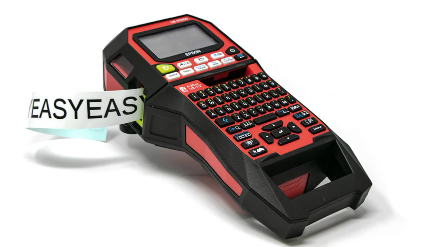
The best portable label printer is designed to adapt to dynamic environments while delivering consistent print quality.
Key Features of the Best Portable Label Printer
When evaluating portable label printers, certain features separate average devices from truly reliable solutions.
Compact and Lightweight Design
Portability is the main advantage. A compact design allows workers to carry the printer easily throughout the day. Lightweight devices reduce fatigue, especially for technicians and warehouse staff who rely on constant labeling.
Wireless Connectivity
Modern portable label printers often support Bluetooth or Wi-Fi connectivity. This feature enables printing directly from smartphones, tablets, or laptops. Field technicians, for example, can design labels through a mobile app and print them instantly at the installation site.
Thermal Printing Technology
Most portable label printers use thermal printing, which eliminates the need for ink or toner. This reduces maintenance costs and ensures sharp, smudge-resistant output. Thermal labels are especially beneficial in logistics and retail environments where durability is essential.
Battery Life and Durability
Long battery life is crucial for uninterrupted work shifts. The best portable label printer should offer rechargeable batteries capable of lasting through extended operations. Additionally, a rugged build is important for industrial or field use where devices may be exposed to dust, vibrations, or occasional drops.
Versatile Label Compatibility
A quality portable printer should support various label types, including:
- Barcode labels
- QR code labels
- Waterproof labels
- Cable and wire labels
- Shipping and packaging labels
Versatility ensures the device can serve multiple departments within the same organization.
Industries That Benefit from Portable Label Printers
Portable label printers are not limited to one sector. Their flexibility makes them valuable across numerous industries.
Warehousing and Logistics
In warehouses, accuracy is everything. Mislabeling products or pallets can cause costly delays. Portable printers allow staff to label inventory directly at storage locations, improving tracking and reducing errors.
Shipping teams also benefit from printing labels on demand, especially when managing high volumes of orders.
Retail and E-commerce
Retailers use portable label printers for pricing tags, shelf labels, and promotional stickers. For e-commerce businesses, portable devices help streamline packaging and shipping operations without occupying desk space.
Electrical and Networking
Electricians and network technicians rely heavily on clear cable labeling. A portable printer enables them to create durable cable identifiers, panel labels, and equipment tags directly on-site. This improves safety and simplifies maintenance in the future.
Healthcare Facilities
Hospitals and clinics use portable printers for labeling files, equipment, and sample containers. Accurate labeling enhances patient safety and organizational efficiency.
Small Businesses and Offices
Small business owners use portable printers to label products, organize storage areas, and manage assets. Offices benefit from labeling files, drawers, and equipment for improved organization.
How to Choose the Best Portable Label Printer
Selecting the right device depends on your specific operational needs. Consider the following factors before making a decision.
Printing Resolution and Speed
Higher resolution ensures clear barcodes and readable text. Speed is important for high-volume environments like warehouses and retail stores.
Maximum Label Width
Different industries require different label sizes. Ensure the printer supports the width necessary for your applications, whether small cable labels or larger shipping labels.
Software Compatibility
User-friendly software or mobile applications simplify label design. Look for intuitive interfaces that allow quick customization of fonts, barcodes, and symbols.
Maintenance and Supplies
Check the availability and cost of compatible label cartridges. Reliable supply access ensures uninterrupted operations.
Budget and Long-Term Value
While affordability is important, focus on long-term value. A slightly higher initial investment in the best portable label printer can result in lower maintenance costs and improved durability over time.
Advantages of Investing in a High-Quality Portable Label Printer
Businesses that invest in dependable labeling equipment often notice immediate improvements.
First, workflow efficiency increases because tasks are completed at the point of action. Second, labeling accuracy improves, reducing inventory discrepancies. Third, professional labeling enhances brand image, especially in retail and customer-facing environments.
Furthermore, thermal printing technology reduces ongoing expenses by eliminating ink purchases. Combined with mobility and durability, these advantages make portable label printers a practical solution for modern businesses.
See also: Transforming Sleep with Modern Technology
Future Trends in Portable Label Printing
The labeling industry continues to evolve. Advanced portable printers now integrate with inventory management systems and cloud platforms. Smart devices allow automatic barcode generation and database synchronization, further enhancing productivity.
Sustainability is also becoming a priority. Many manufacturers are developing eco-friendly label materials and energy-efficient printers to reduce environmental impact.
As technology advances, portable label printers are expected to become even more compact, powerful, and connected.
Conclusion
Choosing the best portable label printer is an important decision for businesses seeking efficiency, mobility, and professional results. From warehouses and retail stores to electrical installations and healthcare facilities, portable label printers streamline operations and reduce costly mistakes.
By focusing on connectivity, durability, battery life, and label compatibility, organizations can select a solution that supports long-term productivity. In a competitive business landscape, small improvements in organization and accuracy can make a significant difference, and a reliable portable label printer is a valuable tool in achieving that goal.
Frequently Asked Questions
What makes the best portable label printer different from regular label printers?
Portable label printers are designed for mobility. They are lightweight, battery-powered, and often include wireless connectivity, allowing users to print labels anywhere instead of being limited to a desk setup.
Are portable label printers suitable for small businesses?
Yes, small businesses benefit greatly from portable label printers for product labeling, shipping, inventory management, and office organization.
Do portable label printers require ink?
Most portable label printers use thermal printing technology, which does not require ink or toner. This reduces maintenance costs and simplifies operation.
Can portable label printers print barcodes and QR codes?
Many modern devices support barcode and QR code printing, making them suitable for logistics, retail, and asset tracking applications.
How long does the battery last on a portable label printer?
Battery life varies by model, but high-quality devices typically last an entire work shift on a single charge, depending on usage intensity.